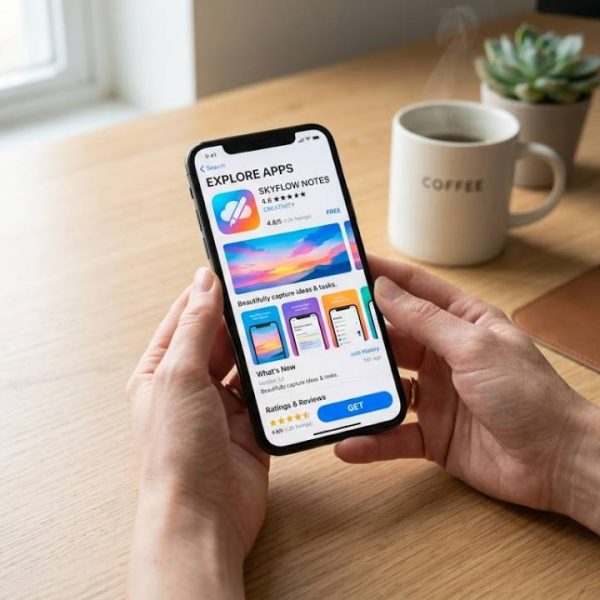

A small fintech startup in London had spent eighteen months building a budgeting app for the UK market before its founders decided the fastest path to growth was expanding into Mexico and Colombia rather than fighting for scraps of an already crowded domestic market. The product itself translated easily enough on paper since the core budgeting logic worked the same regardless of currency but the founders had not planned for what would happen once real users in those markets started leaving feedback.
Within the first month after launch the app store listings in Mexico and Colombia had accumulated several hundred reviews written entirely in Spanish and the small UK based team had no reliable way to read most of them beyond running individual reviews through a free browser translator whenever someone had a spare few minutes. That approach worked adequately for glowing five star reviews but it fell apart the moment a cluster of one star reviews started appearing that clearly described a real bug rather than simple dissatisfaction.
The product manager eventually noticed the pattern only because a bilingual support contractor happened to flag it during a routine check of the app store dashboard and by that point the bug had already been live for close to three weeks affecting a meaningful share of the new Latin American user base. The specific complaint involved a currency rounding error that only appeared when a user's phone language was set to Mexican Spanish which meant the UK based QA team testing exclusively in English had never encountered it during their own testing cycles.
That near miss convinced the founders that reading translated user feedback needed to become a standing part of the product process rather than something handled reactively whenever someone happened to notice a spike in low ratings. The team started routing every batch of non English reviews through a proper translation workflow on a weekly cadence so that genuine bug reports could reach engineering before they compounded into a wave of one star reviews that would hurt the app's overall store ranking.
Finding a translation partner who understood both conversational app review language and the more technical vocabulary that appears when a frustrated user tries to describe a software bug took some trial and error since a few early providers returned translations that were grammatically correct but missed the specific meaning behind slang terms Latin American users commonly used to describe app crashes and freezes. The team eventually settled on a provider who paired native Spanish speakers with reviewers familiar with mobile app terminology specifically.
The support contractor who first caught the currency bug now leads a monthly review of translated feedback trends across both new markets and the product team credits that process with catching two additional edge case bugs before they could spread widely enough to damage the app's rating in either country. Investors reviewing the company's international expansion metrics have specifically asked about the review translation process after seeing how quickly the team resolved issues compared to competitors operating in the same markets.
User Reviews Carry More Signal Than Most Startups Realize
Startups expanding into new language markets often assume that once the interface itself has been localized the hard translation work is finished but user generated feedback turns out to be an entirely separate and ongoing translation need that many product teams overlook until a real problem forces the issue. A startup that eventually invests in genuine professional translation services for its review pipeline usually does so only after missing a bug report buried inside dozens of reviews nobody on the core team could read.
The London team now treats translated review analysis as seriously as its crash reporting dashboards since both sources surface real problems that automated testing alone tends to miss particularly issues tied to regional settings like currency formats date formats and local payment methods that only misbehave under specific locale configurations.
Expanding Into a Single New Market Still Requires Real Translation Support
Even though the app's initial expansion targeted two Spanish speaking countries the team quickly learned that treating the language need as a single translation task undersold how much ongoing support the launch actually required across marketing copy in app messaging and support ticket responses. Working with a genuine spanish translation service meant the startup could keep terminology consistent across the app interface its app store listing and every piece of user facing communication rather than relying on whichever translation happened to be available at the moment a new feature shipped.
A growth marketer on the team said the consistency mattered more than expected once users started comparing screenshots and support responses across social media since inconsistent terminology between the app itself and its marketing made the product look less polished than competitors who had invested in proper localization from the start.
What App Market Trends Suggest About International Feedback
Organizations such as the OECD have tracked how mobile app adoption continues to grow fastest in markets outside a product's original launch country often noting that companies expanding internationally face feedback and support challenges that scale faster than their engineering teams can absorb without dedicated language support. That pattern closely matches what this London startup experienced once its Latin American user base grew past the point where informal translation could keep pace.
Groups such as the W3C have also highlighted how software internationalization involves far more than translating visible interface text since locale specific formatting for currency dates and numbers frequently causes the kind of subtle bugs that only surface once real users in a target market start using a product under everyday conditions.
A Lesson for Startups Expanding Into New Markets
Founders watching this kind of international expansion from the outside often assume that once an app has been translated into a new language the localization work is essentially finished and the product simply needs time to find its audience. This startup's experience suggests otherwise since a currency formatting bug hidden inside translated user reviews nearly went unnoticed long enough to damage the app's reputation in two new markets simultaneously.
Building a relationship with a translation provider before international launch tends to pay off once real user feedback starts arriving faster than any small team can process informally. Providers who already understand both a product's technical vocabulary and the everyday language real users reach for when describing a problem work far more efficiently than ones encountering unfamiliar app terminology for the first time under pressure.
Startups that launch apps internationally quickly learn that user feedback comes in every language, and professional business translation services help them understand what customers really think. App store reviews contain slang, abbreviations and cultural references that machine translation mangles. Human translators capture the sentiment behind the words, so product teams can prioritise fixes. For a young company, this insight is worth far more than the translation cost.
The London startup now treats its Mexican and Colombian launch as the moment it stopped treating review translation as an occasional favor from a bilingual contractor and started budgeting for it the same way it budgets for app store advertising and customer support tools. Other founders planning similar international launches would do well to build translated feedback monitoring into their expansion plan from day one rather than discovering the gap only after a pattern of low ratings starts affecting the app's visibility in a new market.